
8 Early Signs of Pregnancy and What They Could Mean
Share this Article:

Could I be pregnant? Until you know for sure, wondering if you are pregnant or not can cause quite a bit of anxiousness — especially when a pregnancy is unexpected.
The confusing part is that premenstrual signs mimic early pregnancy, so it can really leave you wondering what to attribute your symptoms to.
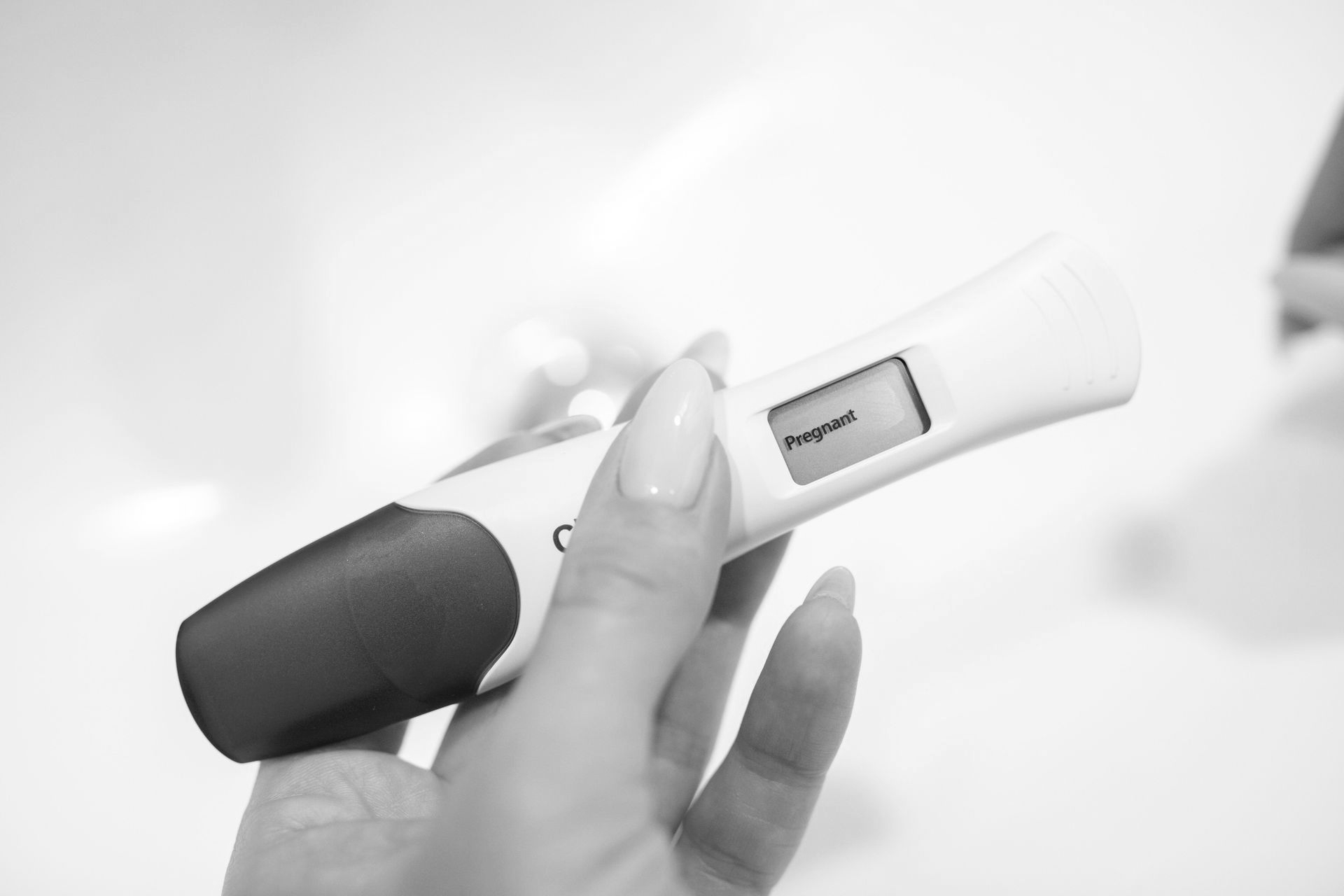
The only way to have a definitive answer to the “Am I pregnant?” question is by a positive pregnancy test followed up with an ultrasound to confirm a viable pregnancy. Since you may experience any, or all, of these eight early pregnancy signs before you have that confirmation, we will delve into them so you know what to watch for.
What Happens in Your Body During Pregnancy?
Specific things need to happen in your body for a pregnancy to occur. Steps to pregnancy include:
- Ovulation: Ovulation is the point in your menstrual cycle when a mature egg is released from your ovary and into the fallopian tube.
- Presence of sperm: Sperm must be present to become pregnant. After unprotected sex, sperm, which is chemically designed to locate the egg, travels up to the fallopian tube.
- Conception: Conception is when a single sperm penetrates the egg (fertilization). It is the moment that pregnancy begins. The fertilized egg continues to travel through the fallopian tube for five to six days to the uterus.
- Implantation: Implantation is the process of the fertilized egg burrowing into the uterine lining and becoming an embryo. The instant implantation occurs, your body is triggered to produce human chorionic gonadotropin (hCG), a pregnancy hormone.
8 Early Signs of Pregnancy to Know
As soon as implantation occurs, you may begin to experience early pregnancy symptoms because your body starts producing the hCG pregnancy hormone right away.
Listed below are common pregnancy symptoms. You may experience all of them, some of them, or none of them. Every pregnancy is different, so keep in mind that what is normal for you may not be typical for another woman. And try not to become overwhelmed as you read the list. Most women tolerate early pregnancy symptoms quite well, and they usually only last through the first trimester of pregnancy.
Classic signs and symptoms of pregnancy may include:
Missed Period
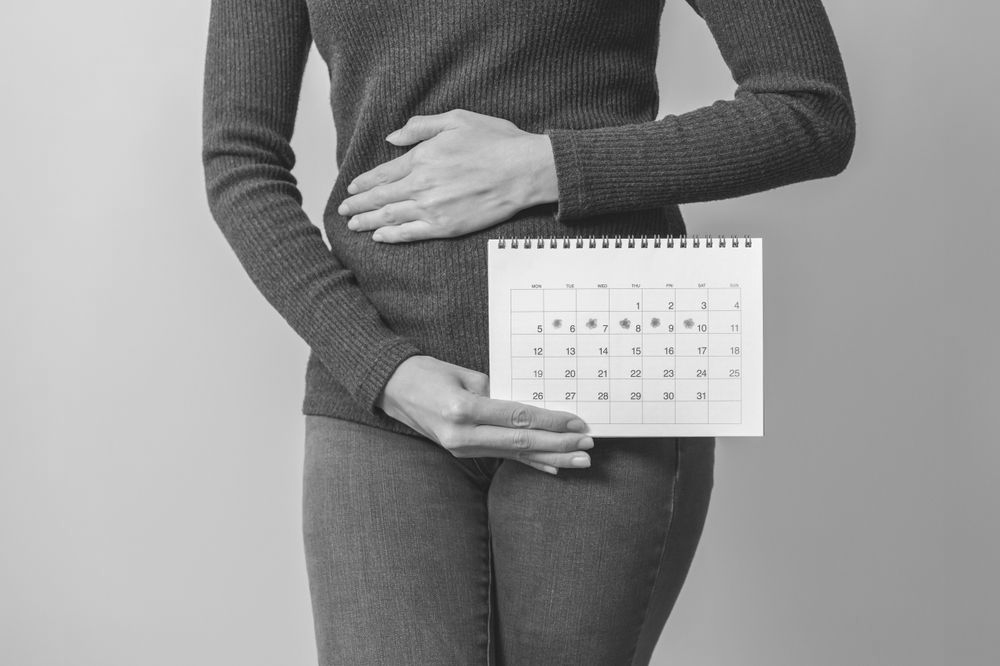
The most common symptom of pregnancy is missing your period. This is often the first clue that you might be pregnant.
Spotting and Light Cramping
Light bleeding in early pregnancy may be alarming to you, but this is more common than you might expect. Implantation bleeding is spotting that happens in approximately 25-30% of pregnant women when the fertilized egg implants into the uterine lining.
You may feel like your period is about to start because you’re experiencing cramping. It can accompany implantation or be caused by your uterus growing. However, it’s important to seek medical care right away if you also have severe pain on one side to rule out an ectopic pregnancy (a pregnancy outside the uterus, most often in the fallopian tubes).
Digestive Changes and Frequent Urination
Pregnancy hormones can affect your digestive system in several ways. You may experience constipation, bloating, or even heartburn as your body adjusts. Heartburn can happen when these hormones relax the muscles in your digestive tract, leading to a burning feeling in your chest. It can help to eat fiber-rich foods like fruits and vegetables and drink plenty of water.
You may also find yourself needing to urinate more often. Early on, your body processes more fluid than usual, and as pregnancy progresses, added pressure on your bladder can increase bathroom trips.
Vaginal Discharge
Your vaginal walls thicken when you become pregnant, causing a white, thin discharge. It is normal unless it has an odor or changes color. In that case, contact your healthcare provider.
Breast Changes
Breast tenderness is another pregnancy symptom that might have you feeling like your period is about to start. You may also notice that your breasts feel swollen or tingly in early pregnancy. The areola may also become darker and larger.
Nausea and Food Aversion
The term morning sickness is very familiar. But the reality is that nausea and/or vomiting can strike any time during the day or night when you are pregnant. Many women find it helpful to stay hydrated, keep crackers on hand, and eat small, frequent meals so their stomach doesn’t get too empty, which can help prevent nausea from getting worse.
In addition to nausea, you may notice that you can’t tolerate certain odors or foods.
Fatigue
Your body is working hard to support a pregnancy, and it is very normal to feel fatigued in the early stages. It often improves as you move into the second trimester. Try to eat nourishing foods rich in iron and protein and rest when your body needs it.
Mood Changes
You might feel more sentimental and loving, or experience mood swings, including weepiness. Give yourself grace, and remember that pregnancy brings emotional adjustments in addition to physical changes.
Get a Free Pregnancy Test at Willow Womens Center
If you think you might be unexpectedly pregnant, you will need a listening ear and compassionate care more than ever before. You are looking for accurate answers to your questions.
Willow Womens Center is passionate about empowering you with unbiased facts from licensed healthcare professionals so you can make a confident decision about your unexpected pregnancy.
Our services are always at no cost to you. We offer medical-grade pregnancy testing, limited ultrasound if your pregnancy test is positive, and testing for sexually transmitted infection (STI) in addition to other services.
Contact Willow Womens Center today to schedule your confidential appointment and receive the support you deserve.
Connect with Us: